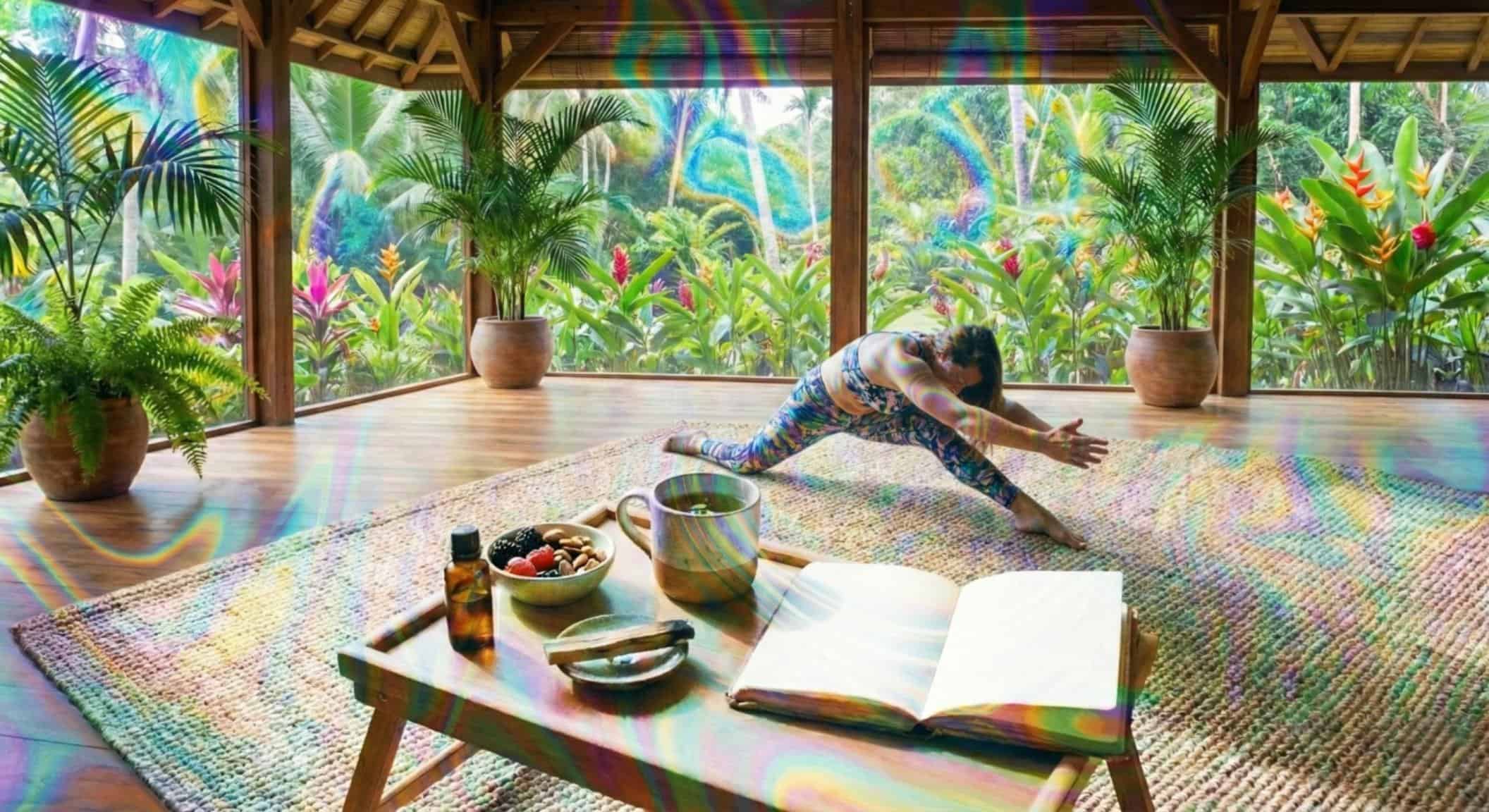
Yoga and pilates continue to grow in popularity because they offer more than physical conditioning. These practices invite people to slow down, pay attention to breath, and move with awareness rather than force. Over time, this combination of movement and mindfulness supports flexibility, posture, and mental clarity. As practitioners deepen their routines, some also explore complementary wellness tools that align with a holistic, body-centered approach.
Why yoga and pilates support mental clarity
Although yoga and pilates are often associated with strength and mobility, their deeper value lies in attention training. Controlled breathing, deliberate transitions, and sustained poses gently draw awareness inward, helping calm mental chatter.
Regular practitioners often notice gradual changes such as:
- improved posture and alignment
- reduced muscular tension
- steadier, more conscious breathing
- greater emotional regulation
- a stronger connection between mind and body
Rather than pushing limits, these practices emphasize consistency, precision, and presence.
How natural wellness tools complement movement
As movement practices become more meditative, some individuals look for gentle ways to support focus and recovery. Instead of stimulants or aggressive supplements, they explore subtle, natural options that encourage relaxation and emotional grounding.
In communities such as North York and Scarborough, people often describe these supports as helping them feel more connected to breath, posture, and post-practice reflection.
Commonly reported effects include:
- deeper focus during slow or restorative sessions
- heightened body awareness
- less mental distraction
- a calmer state after practice
- greater emotional openness during stretching and rest
Building a grounded yoga or pilates routine
An effective movement routine does not require long sessions or advanced poses. What matters most is awareness and regularity.
Begin with breath.
Starting each session with slow, steady breathing helps signal the nervous system to relax.
Move with intention.
Controlled transitions build strength while protecting joints and connective tissue.
Close with stillness.
A brief savasana or seated pause allows the body and mind to integrate the practice.
Support recovery thoughtfully.
Some practitioners explore natural wellness tools alongside movement. Those researching options often begin by learning how to buy shrooms responsibly as part of a broader self-care routine.
Notice post-practice sensations.
Paying attention to how the body feels afterward can guide future sessions and support long-term balance.
Benefits and considerations
Potential benefits
- greater flexibility and balance
- a calmer nervous system
- improved focus and breath awareness
- smoother recovery between sessions
- a deeper mind-body connection
 NEXT DAY SHIPPING
 SAME DAY DELIVERY
 Best Shop in Canada 🇨🇦
 Subscribe FREE 7g - 15% off